
How Climate Change is Impacting Global Food Systems and Security
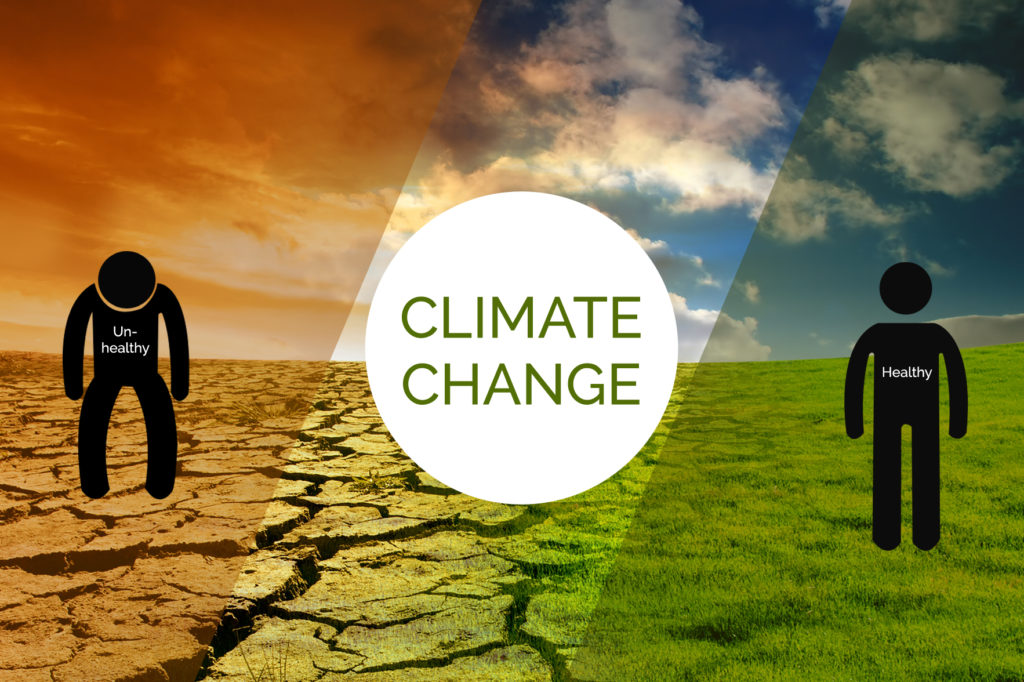
Climate change is no longer a distant threat; it’s a current reality that is reshaping ecosystems, economies, and, most importantly, food systems worldwide. As an organization dedicated to improving the lives of children and families, particularly in underserved communities, we see firsthand how food security is already a pressing issue. The effects of climate change on agriculture, food distribution, and access to basic necessities are making it more challenging for vulnerable populations to access nutritious food.
The impact of climate change on global food systems is multifaceted:
- Extreme weather events like droughts, floods, and hurricanes devastate crops and disrupt food supply chains.
- Temperature fluctuations affect plant growth cycles, making it harder for farmers to predict yields.
- Rising sea levels threaten coastal farming communities and their access to freshwater.
As we work towards providing food security and basic necessities for families in the Baltimore-Washington Metro Area, understanding the broader implications of climate change on food systems becomes crucial.
The Connection Between Climate Change and Food Systems
Climate change and food systems are deeply interconnected. The way food is grown, distributed, and consumed is directly impacted by changes in the environment. For us, as a community-driven organization, it’s vital to recognize how these changes affect those we serve.
- Agricultural productivity decline: Heatwaves, droughts, and erratic rainfall lead to crop failures and reduced productivity.
- Disruption of global supply chains: Extreme weather events impact transportation and storage facilities, leading to food shortages in some areas.
- Increased vulnerability of small-scale farmers: These farmers, who often rely on rain-fed agriculture, are disproportionately affected by unpredictable weather patterns.
By focusing on providing resources and support to underserved communities, we are not only addressing immediate food insecurity but also building resilience to climate-induced disruptions.
How Climate Change Affects Food Security in Low-Income Communities
In underserved communities, like the ones we serve in the Baltimore-Washington Metro Area, food insecurity is already a challenge. Climate change exacerbates this problem by making food sources more scarce and expensive.
- Rising food prices: As climate change affects crop yields and food production, the cost of food increases, making it harder for families to access nutritious options.
- Limited access to food banks: Severe weather events can damage food storage facilities, disrupting access to emergency food sources.
- Reduced nutrition: Climate change can impact the diversity of food available, often reducing the availability of nutrient-dense options like fruits and vegetables.
At So What Else, our mission to provide food security becomes even more crucial as these challenges intensify. Our programs aim to ensure that children and families have consistent access to the essentials they need to thrive.
The Role of Agriculture in Climate Change and Food Security
Agriculture is both a victim and a contributor to climate change. While it is directly impacted by extreme weather patterns, it is also responsible for significant greenhouse gas emissions. Understanding the relationship between agriculture and climate change is key to addressing food security.
- Carbon footprint of agriculture: Large-scale farming practices contribute to greenhouse gas emissions, accelerating climate change.
- Impact of climate change on crop yields: Changes in temperature and rainfall affect the productivity of staple crops like wheat, rice, and corn.
- Soil degradation: Unsustainable farming practices, combined with climate change, lead to soil erosion, reducing the land’s ability to produce food.
To combat these challenges, our organization promotes sustainable practices and works with local communities to support long-term solutions for food security, including education about climate-resilient agriculture.
Rising Sea Levels and Their Impact on Coastal Agriculture
Rising sea levels, driven by climate change, are threatening agricultural areas, particularly in coastal regions. These areas often rely on fertile land for growing a wide range of crops, but saltwater intrusion and flooding are making it difficult to sustain traditional farming.
- Saltwater contamination of freshwater supplies: As seawater rises, it can contaminate freshwater sources, making it harder to irrigate crops.
- Loss of arable land: Coastal regions, home to many food-producing areas, are becoming submerged or unsuitable for farming.
- Displacement of farming communities: As land becomes uninhabitable, farmers are forced to move, disrupting food production and community stability.
In the communities we serve, the effects of such displacement could mean fewer resources for children and families. Our mission to provide basic necessities and improve access to healthy food becomes even more important as environmental factors worsen.
Extreme Weather Events and Their Impact on Food Supply Chains
Natural disasters, including hurricanes, floods, and wildfires, are increasing in frequency and intensity due to climate change. These extreme events have a direct impact on food supply chains, making it harder to ensure consistent food availability.
- Disruption of transportation networks: Flooding and hurricanes can damage roads, ports, and infrastructure critical for transporting food.
- Damage to food storage facilities: Extreme weather events can destroy warehouses and refrigeration units, causing large amounts of food to spoil.
- Increased risk of food shortages: Areas affected by disasters may experience food shortages, leading to higher prices and scarcity of essential goods.
At So What Else, we understand the importance of creating community resilience programs. By offering volunteer opportunities and access to local food sources, we help families build a safety net for emergencies.
The Impact of Changing Weather Patterns on Crop Diversity
As climate change causes unpredictable weather patterns, the diversity of crops that can be grown in different regions is shrinking. This has profound implications for food security, especially in regions where people rely on a variety of foods for nutrition.
- Decline in crop diversity: Changing weather patterns make it difficult for farmers to grow a wide variety of crops, leading to a loss of biodiversity.
- Nutritional deficiencies: A reduction in crop diversity often leads to a lack of important vitamins and nutrients that are essential for health, particularly in children.
- Increased reliance on monoculture farming: In an effort to adapt to changing climates, many farmers are turning to monoculture, which further limits the diversity of available food.
By supporting local food systems and promoting education about sustainable agriculture, So What Else helps communities adapt to these changes and improve their access to diverse, nutritious foods.
Addressing Climate Change Through Sustainable Food Practices
One of the most effective ways to tackle the intersection of climate change and food insecurity is by adopting sustainable food practices. These practices not only help reduce the environmental impact of food production but also ensure that communities can continue to access healthy, affordable food.
- Agroecology: This approach emphasizes sustainable farming practices that work in harmony with the environment, increasing food security in the long term.
- Regenerative agriculture: By focusing on rebuilding soil health, regenerative agriculture can help sequester carbon and create more resilient food systems.
- Local food systems: Supporting local farmers and food producers reduces the carbon footprint associated with transportation and ensures more equitable access to food.
At So What Else, we advocate for sustainable practices that benefit both the environment and the communities we serve.
The Role of Youth and Volunteerism in Addressing Food Security and Climate Change
Climate change and food security are challenges that require collective action. The youth in our communities have a unique role to play in advocating for change, especially as they become more aware of the climate crisis.
- Raising awareness: Through our volunteer programs, we educate young people about the impact of climate change on food security and encourage them to take action.
- Community gardening projects: Youth-led initiatives like community gardens can provide access to fresh, locally grown food while promoting environmental stewardship.
- Creating climate resilience: By involving young people in volunteer opportunities, we empower them to become leaders in their communities, helping others adapt to climate change.
Our programs inspire the next generation to not only help those in need today but also to think critically about the future of food systems.
Conclusion:
As climate change continues to disrupt food systems around the world, it is essential that we build resilience in the communities most affected by food insecurity. At So What Else, our mission to improve lives through food security, education, and community engagement is more important than ever.
- Community-driven solutions: By working together, we can develop sustainable solutions to food insecurity in the face of climate change.
- Educating for the future: It is critical to equip the next generation with the tools they need to understand and address these challenges.
- Creating a global impact: While local actions are important, addressing climate change requires a global effort to mitigate its effects on food systems.
As an organization committed to making a difference, So What Else will continue to advocate for and implement solutions that ensure every child and family has access to the food they need to thrive.
Donate- links to https://linktr.ee/sowhatelsedonates
Volunteer- https://sowhatelse.volunteerhub.com/vv2/


