
How Volunteering at SWE Helps Develop Important Life Skills for Children and Teens
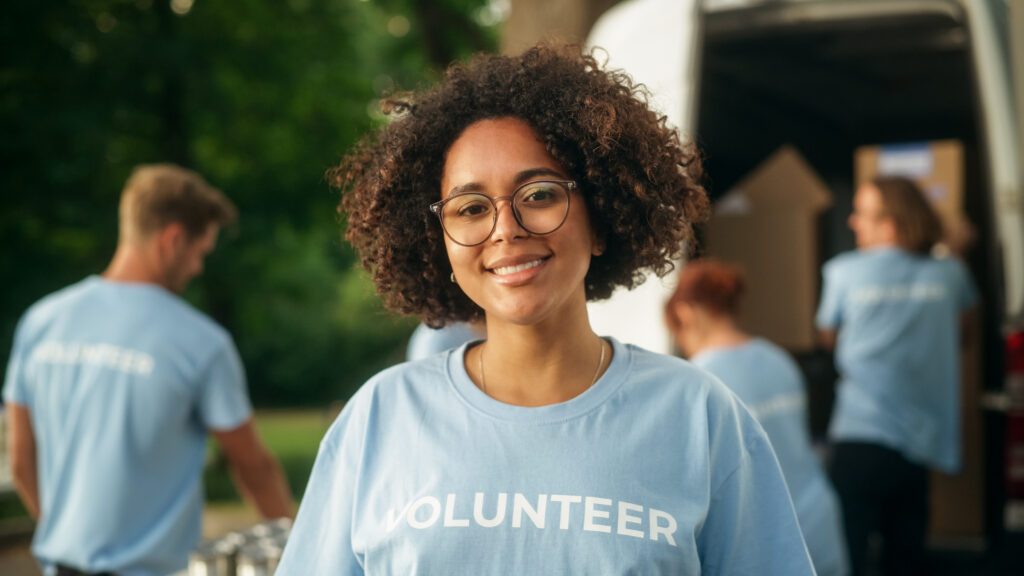
At So What Else, we believe that volunteering is not just about giving back to the community; it’s also a powerful tool for personal development. For children and teens, engaging in volunteer work at our programs can help them develop a variety of essential life skills that will serve them well throughout their lives. In this blog, we explore how volunteering at SWE helps young people grow into confident, responsible, and skilled individuals.
Why Volunteering Matters for Children and Teens
Volunteering offers young people the chance to make a positive impact in their communities, but it does so much more than that. Through volunteer work, children and teens are introduced to real-world experiences that cannot be replicated in the classroom. Volunteering allows them to develop both hard and soft skills, interact with different people, and learn about their strengths and areas for growth.
At SWE, we provide numerous opportunities for children and teens to get involved, offering both structured programs and free-form opportunities that cater to different interests. Whether it’s organizing community events, tutoring peers, or participating in charity drives, the possibilities for skill-building are endless.
Key Life Skills Developed Through Volunteering at SWE
When young individuals volunteer, they gain life skills that will aid them in their personal and professional futures. These are some of the most valuable skills that children and teens develop while volunteering at SWE:
1. Leadership Skills
- Empowering Confidence: Volunteering gives teens a sense of responsibility, which can build confidence in their leadership abilities. Whether they’re managing a team or taking charge of a project, teens learn how to step up and lead.
- Decision-Making and Problem-Solving: Leadership is not just about giving instructions; it’s about making critical decisions and solving problems on the fly. Volunteering in different roles teaches young people how to think on their feet and approach challenges creatively.
2. Communication Skills
- Effective Verbal and Non-Verbal Communication: Teens who volunteer learn how to communicate effectively with people from different walks of life. They practice active listening, clearly expressing their ideas, and understanding non-verbal cues.
- Teamwork and Collaboration: Volunteering in a group setting allows teens to work alongside their peers and adults, learning how to collaborate, delegate tasks, and share responsibilities.
3. Time Management and Organizational Skills
- Balancing Priorities: Volunteering teaches children and teens to manage their time effectively, balancing schoolwork, extracurricular activities, and their volunteer commitments. This is an essential life skill that will benefit them throughout their academic and professional careers.
- Setting and Meeting Deadlines: Volunteering often involves completing tasks with set deadlines. This teaches children how to prioritize tasks, manage their time efficiently, and ensure they meet expectations.
4. Empathy and Social Awareness
- Understanding Different Perspectives: Volunteering exposes children and teens to people from various backgrounds, helping them develop empathy and emotional intelligence. They learn to understand and appreciate the challenges faced by others, fostering a sense of social responsibility.
- Building Compassion: Through volunteer work, young individuals have the opportunity to make a positive difference in the lives of others, which helps develop a compassionate and giving nature.
5. Work Ethic and Responsibility
- Commitment to Duties: Volunteering at SWE teaches young people the importance of being responsible, dependable, and dedicated to their commitments. These values are transferable to their schoolwork, jobs, and future endeavors.
- Learning the Value of Hard Work: Teenagers and children gain insight into the satisfaction of hard work and how it contributes to personal growth and success. It helps them recognize that success is a result of dedication and persistence.
6. Problem-Solving and Critical Thinking
- Thinking Outside the Box: Volunteering often requires children and teens to think critically and solve problems on the spot. Whether they are planning an event or troubleshooting an issue, these experiences foster creative and strategic thinking.
- Adaptability and Flexibility: Volunteering also teaches teens to be adaptable in fast-paced or unpredictable environments. They learn how to remain calm under pressure and make decisions with limited information.
7. Cultural Competence
- Exposure to Diversity: Through volunteering, children and teens are exposed to diverse cultures, languages, and lifestyles, which helps develop their cultural competence. This skill is becoming increasingly valuable in today’s interconnected world, as it enables them to relate to people from various backgrounds.
- Respect for Differences: Volunteering fosters respect for diversity, teaching children and teens to embrace differences in ethnicity, religion, socioeconomic status, and more. This understanding helps them become more inclusive and socially aware individuals.
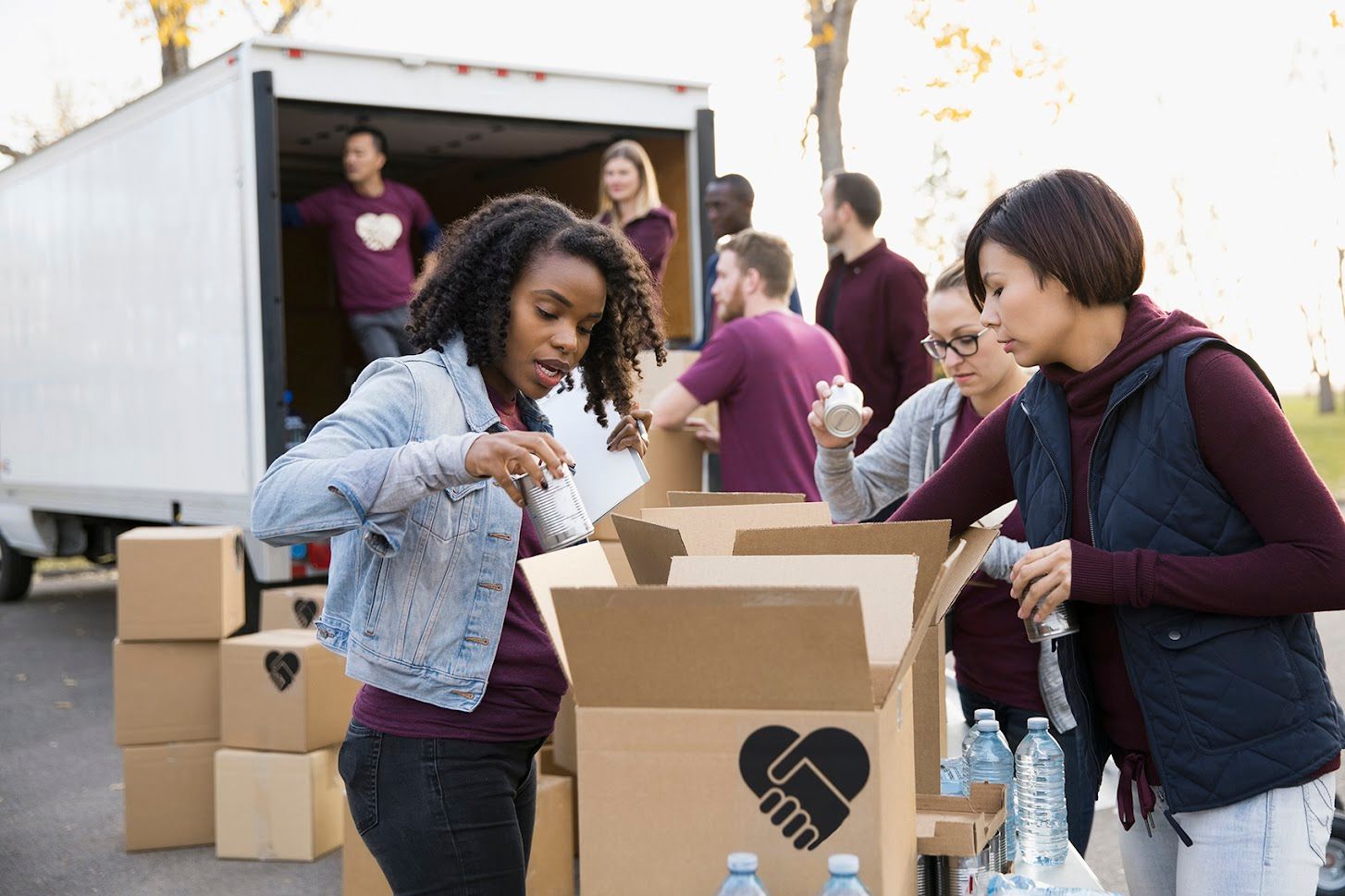
How Volunteering at SWE Supports Academic Growth
In addition to life skills, volunteering can also have a direct impact on academic performance. Teens who volunteer often demonstrate improved grades and better academic focus. Here’s how volunteering at SWE helps students grow academically:
- Real-Life Application of Learning: Volunteering often involves applying classroom knowledge to real-world situations. For example, children who volunteer at SWE might use their math skills to organize donations or their writing skills to create flyers and newsletters.
- Increased Motivation: The sense of purpose that comes from volunteering can reignite a student’s passion for learning. It provides a tangible reason to stay focused on their studies and work towards their goals.
The Emotional Benefits of Volunteering
Apart from the practical skills, volunteering also nurtures emotional growth. Volunteering at SWE helps young people develop a positive mindset, increase their self-esteem, and feel a sense of fulfillment. Here’s how volunteering emotionally benefits children and teens:
- Improved Mental Health: Studies show that volunteering can reduce stress and depression. When young people contribute to a cause they believe in, it helps boost their mood and fosters a sense of accomplishment.
- Sense of Belonging: Volunteering creates a strong sense of community, which is particularly important for teens navigating their social lives. They feel like they are part of something greater, helping to build a sense of belonging and connection.
Incorporating Volunteering into Family Life
At SWE, we encourage families to volunteer together, making it an enriching experience for both children and parents. Volunteering as a family helps reinforce the values of empathy, responsibility, and teamwork. It also provides an opportunity for meaningful bonding time.
- Shared Experiences: Volunteering together allows family members to share experiences, learn from each other, and grow together.
- Setting a Positive Example: When parents volunteer alongside their children, they set a positive example and model the importance of community involvement and social responsibility.
Conclusion: A Bright Future Through Volunteering
Volunteering at SWE is more than just a way to give back—it’s an investment in the future of our children and teens. The life skills they develop while volunteering will shape their futures, helping them become confident, empathetic, and responsible adults. We encourage every child and teen to get involved and experience the transformative power of volunteering.
At SWE, we are committed to providing young people with the opportunities, support, and guidance they need to thrive. If you’re interested in volunteering with us or learning more about our programs, visit our website or contact us today.


